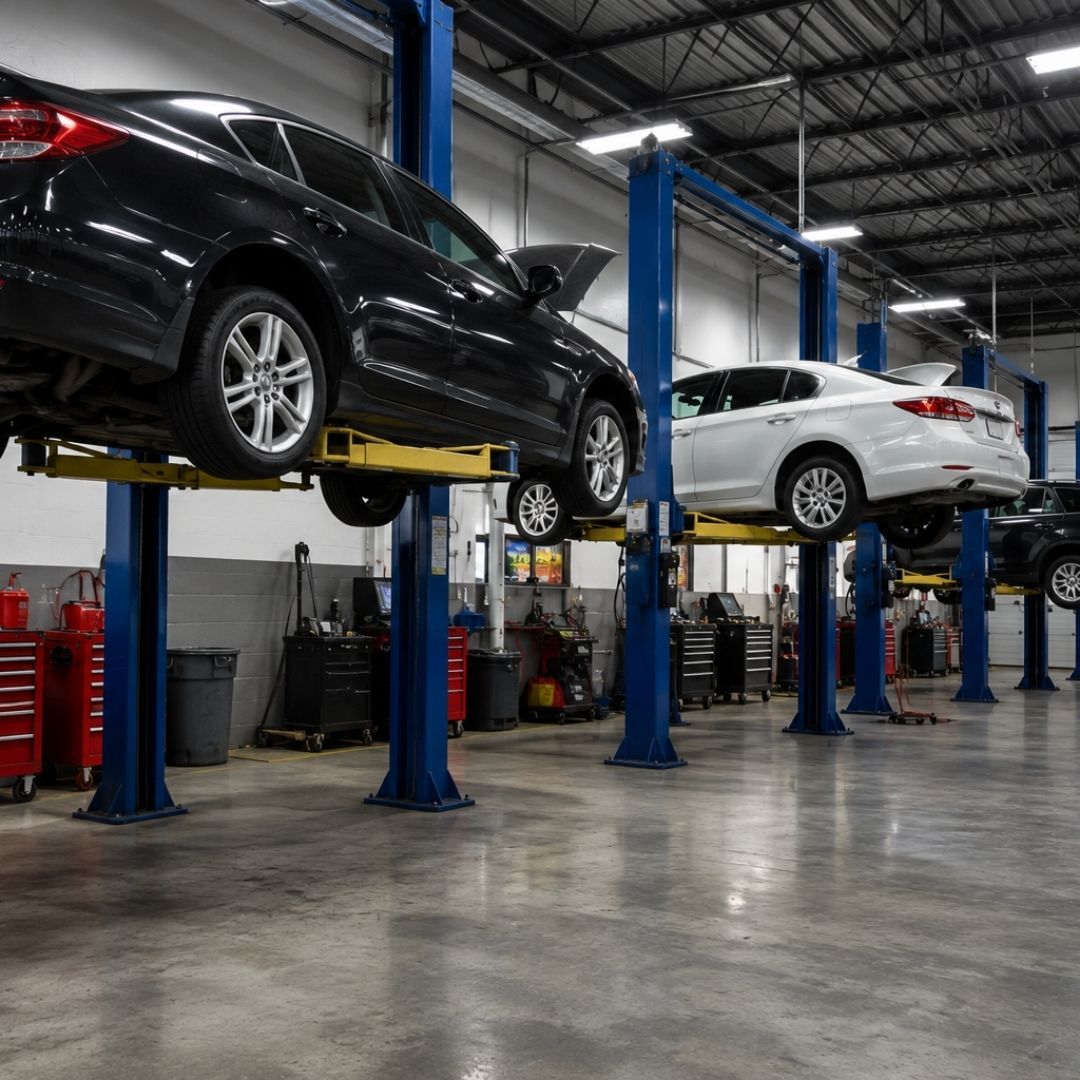
Miami, FL Commercial Property Insurance
8:30am - 5:00pm Mon-Fri
Will Reply in 15min*
A Miami warehouse owner can carry a $3 million building limit for years and still discover, after a single named storm, that the first $150,000 of damage is coming out of the company's own bank account. That's not a coverage failure. It's a 5% windstorm deductible doing exactly what the policy says it will do.
Commercial property insurance in Miami works differently than it does in Ohio or Arizona. Wind exposure, flood zones, strict building codes, and a market that's only now recovering from years of carrier exits all shape what you pay and what you actually get back after a loss. If you own a strip center in Hialeah, run a restaurant in Little Havana, or manage a medical office near Brickell, the policy decisions you make at renewal will determine whether a bad storm season is a setback or a business-ending event.
This guide breaks down how buildings, contents, windstorm, and
business income coverage fit together, how deductibles really work, and what drives costs in Miami-Dade right now. The goal is simple: help you read your policy like an underwriter does, before you need to file a claim.
The Essentials of Commercial Property Insurance in Miami
Your property policy is the financial backstop for everything physical your business owns, and in South Florida it's also your main hurricane plan. Getting the basics right matters more here than almost anywhere else in the country.
At its core, a commercial property policy pays to repair or replace the structures and assets your business owns or is responsible for after a covered loss. Fire, lightning, theft, vandalism, burst pipes, and wind are the usual suspects. In Miami, wind gets its own set of rules, its own deductible, and sometimes its own policy entirely.
Here's what a well-built Miami program usually includes:
- Building coverage for the structure itself, plus permanent fixtures
- Business personal property (BPP) for inventory, equipment, furniture, and tenant improvements
- Windstorm or named storm coverage, either included or written separately
- Business income and extra expense to replace lost revenue during repairs
- Ordinance or law coverage to handle code upgrades after a loss
One thing to keep in mind: flood is almost never included. A standard commercial property form excludes rising water, so storm surge damage to a ground-floor retail space in Miami Beach won't be paid under the wind portion of your policy. You'll need a separate flood policy through the NFIP or a private flood carrier.
The good news is that the market is in better shape than it was two or three years ago.
Legislative reforms and a moderating reinsurance market have started to improve both pricing and availability across the state. That said, "better" in Miami still means higher premiums and tighter terms than most of the country sees. Smaller operations sometimes bundle property with liability through a Business Owners Policy, and a median Florida BOP for small businesses runs between $900 and $3,000 per year. Larger or coastal properties almost always need a standalone commercial property program.

By: AJ Leibell
President of Bellken Insurance Group
Protecting Your Physical Assets: Buildings and Business Personal Property
The two biggest numbers on your declarations page are your building limit and your contents limit. Set either one too low and you'll feel it in a claim settlement, not at renewal.
Building Coverage and Replacement Costs
Building coverage protects the structure, along with items permanently attached to it: HVAC systems, electrical wiring, plumbing, built-in shelving, and often signage, fences, and parking lot lighting if they're listed. The critical decision is valuation. Replacement cost pays to rebuild with materials of like kind and quality, without deducting for depreciation. Actual cash value (ACV) subtracts depreciation, which can gut a settlement on an older roof or a 1970s concrete block building.
The most common mistake I see is underinsuring the building to save premium. Most commercial forms include a coinsurance clause, often 80% or 90%. If your building would cost $2 million to rebuild and you carry only $1.2 million with a 90% coinsurance requirement, you've insured to 67% of what's required. The carrier can reduce a partial claim proportionally, so a $300,000 roof loss might pay only around two-thirds of that amount before your deductible even applies.
Construction costs in Miami-Dade have climbed sharply, so a valuation from five years ago is probably stale. Ask your agent for an updated replacement cost estimate, or pay for a professional appraisal on larger properties. An agreed value endorsement, where available, waives the coinsurance penalty entirely.
Business Personal Property and Contents
BPP covers what's inside: inventory, computers, machinery, furniture, and supplies. For a Doral distribution company, that might mean $800,000 in palletized goods. For a dental practice in Coral Gables, it's imaging equipment and chairs that cost more than many cars.
Tenants often overlook improvements and betterments. If you're leasing a restaurant space and spent $250,000 on a kitchen buildout, that investment usually falls on your policy, not the landlord's. Read your lease carefully, then match your BPP limit to what you've actually put into the space.
Seasonal inventory swings matter too. A retailer stocking up before the holidays should consider a peak season endorsement so the limit rises automatically during high-inventory months.
Understanding Windstorm and Hurricane Coverage in Florida
Wind is the single largest driver of property premiums in Miami, and it's where most claim disputes start. Understanding how your windstorm coverage is structured will tell you more about your real exposure than any other part of the policy.
Some carriers include wind in the main policy. Others exclude it, forcing you to buy a separate wind policy, sometimes through Citizens Property Insurance Corporation, Florida's state-backed insurer of last resort. Citizens remains a major presence for commercial risks that can't find private coverage, and rate increases there are capped by a statutory glide path. As of January 1, 2026, that cap reached its 15% maximum, so policyholders still on Citizens should budget for meaningful year-over-year increases.
Watch the wording. "Windstorm" and "named storm" aren't always the same trigger. A named storm deductible applies only when the National Hurricane Center has named the system, while a windstorm deductible can apply to any wind event, including a severe summer thunderstorm. That distinction can be worth tens of thousands of dollars on a mid-sized claim.
Percentage Deductibles vs. Flat Deductibles
Most Miami wind coverage comes with percentage deductibles of 2%, 5%, or 10% of the building's total insured value. The percentage applies to the insured value, not the size of your loss. That's the part that catches people off guard.
| Building Insured Value | 2% Deductible | 5% Deductible | 10% Deductible |
|---|---|---|---|
| $1,000,000 | $20,000 | $50,000 | $100,000 |
| $2,500,000 | $50,000 | $125,000 | $250,000 |
| $5,000,000 | $100,000 | $250,000 | $500,000 |
Picture this: a property in Kendall carries a $2.5 million building limit with a 5% named storm deductible. A hurricane tears off part of the roof and causes $110,000 in damage. The deductible is $125,000. The carrier pays nothing, and the owner absorbs the whole repair.
Flat deductibles, like $25,000 per occurrence, are far more predictable but cost noticeably more in premium. The math comes down to cash reserves. If your business can comfortably absorb a six-figure hit, a higher percentage can save real money over several renewals. If not, paying more for a lower deductible is cheap insurance against insolvency.
Surplus lines carriers aren't bound by OIR-filed rates, which gives them more flexibility to build custom deductible structures, such as a percentage deductible with a dollar cap. Ask your broker to quote both admitted and non-admitted options so you can compare.
Ordinance or Law Coverage Requirements
Miami-Dade has some of the strictest building codes in the country, including High-Velocity Hurricane Zone requirements. When an older building is heavily damaged, local rules can force you to rebuild to current code, and a standard policy won't pay for those upgrades.
Ordinance or law coverage fills that gap in three parts:
- Coverage A: the value of the undamaged portion you're forced to tear down
- Coverage B: demolition and debris removal costs
- Coverage C: increased construction costs to meet current code
Owners of pre-2002 buildings, before the Florida Building Code took full effect, need this most. Impact windows, upgraded roof tie-downs, and elevated mechanical equipment can add hundreds of thousands to a rebuild..
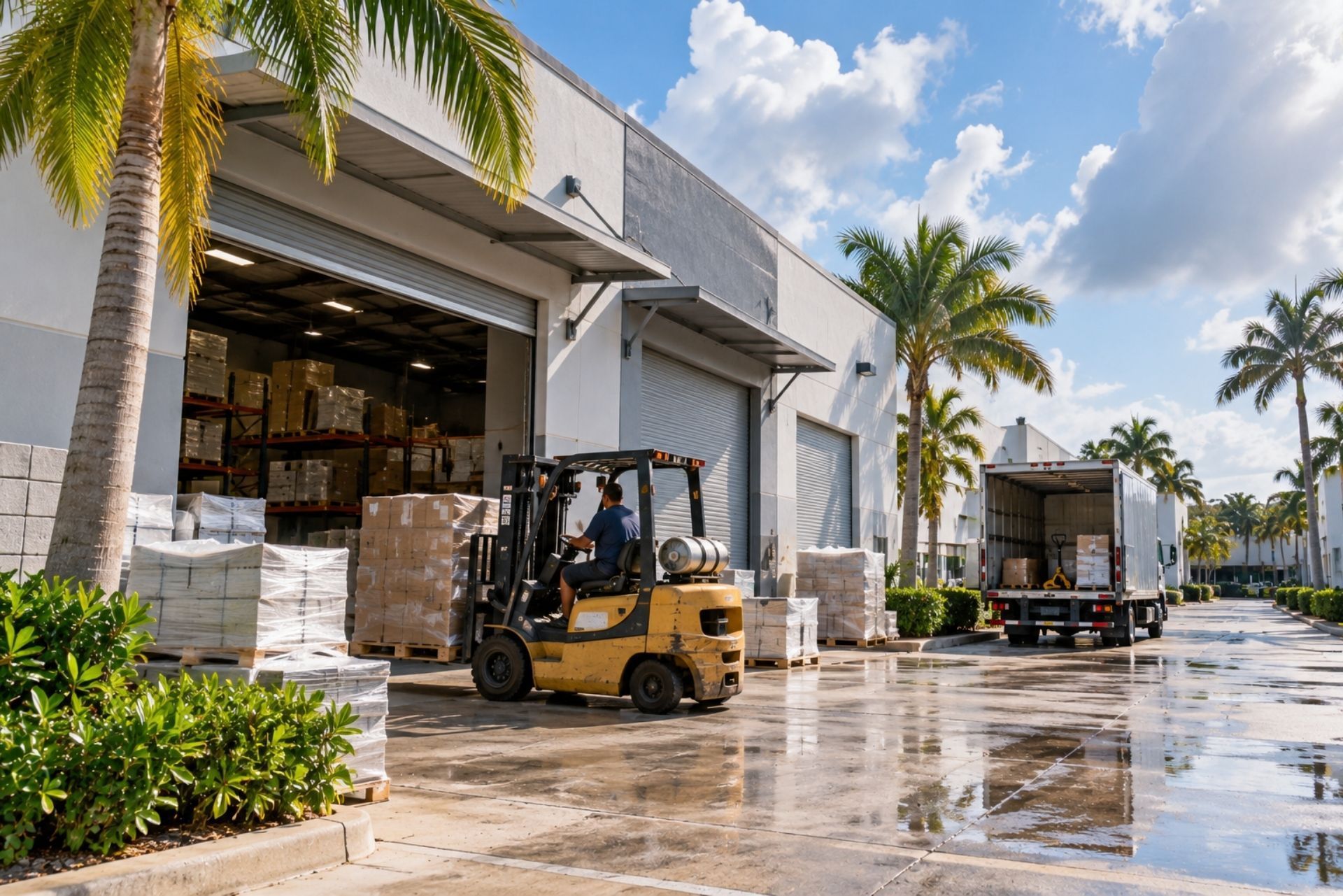
Safeguarding Your Cash Flow with Business Income Coverage
A damaged building is a repair problem. A closed business is a survival problem, and it's the one that sinks companies after major storms.
Business income coverage replaces the net income you'd have earned, plus continuing expenses like payroll, rent, and loan payments, while your property is being repaired after a covered loss. Extra expense coverage pays for costs that keep you operating, such as renting a temporary location or expediting equipment shipments. For a Wynwood restaurant that grosses $150,000 a month, even a 90-day shutdown can wipe out a year of profit without this protection.
There are a few nuances that cause claim problems:
- Waiting period: Most policies won't start paying until 72 hours after the loss. Some wind policies stretch this further.
- Period of restoration: Coverage ends when the property should be repaired, not when customers come back. An extended period of indemnity endorsement adds 60 to 180 days or more for ramp-up.
- Civil authority coverage: If Miami-Dade orders an evacuation and blocks access, this may pay even if your building isn't damaged, but only for a limited time.
- Dependent property coverage: If your key supplier's facility floods and you can't get product, standard business income won't respond unless you've added this.
The biggest mistake here is guessing at limits. Build a business income worksheet with your accountant using actual financials, and assume a realistic rebuild timeline. After a widespread hurricane, contractors, permits, and materials all back up. A repair that would take three months in a normal year can easily take nine or ten.
Flood is excluded here too. If a storm surge closes your business, your business income coverage under the property policy won't respond to that portion of the loss.
Comparing Policy Forms and Coverage Scope
Two policies with identical limits can pay out very differently because of the cause-of-loss form underneath them. This is where comparing quotes on price alone gets expensive.
Commercial property policies are generally written on one of three forms. Here's how they stack up:
| Feature | Basic Form | Broad Form | Special Form |
|---|---|---|---|
| Coverage approach | Named perils only | Named perils, expanded list | All risks unless excluded |
| Fire, lightning, windstorm | Yes | Yes | Yes |
| Water damage from burst pipes | No | Yes | Yes |
| Theft | No | No | Yes, with limits |
| Burden of proof | On you | On you | On the insurer |
| Typical cost | Lowest | Moderate | Highest |
That burden of proof row matters more than most owners realize. Under special form, the insurer has to show an exclusion applies. Under basic and broad form, you have to prove the damage came from a listed peril, which gets messy when causes overlap.
Packaging choices matter too. A Business Owner's Policy bundles property, business income, and general liability for smaller operations like consulting firms, boutique retail, and small offices. Larger or higher-risk properties, such as manufacturing plants, multi-tenant buildings, and restaurants with heavy cooking exposure, usually need a standalone commercial package policy with custom limits.
Underwriters price your risk from a handful of hard data points. Knowing which ones you control gives you real leverage at renewal, or at least a clear path to a better quote next year.
Occupancy plays a big role. A restaurant with commercial fryers carries a much higher fire risk than an accounting office, and a vacant building often gets surcharged or declined outright. Protection class, meaning how close you are to a fire hydrant and station, matters too. Loss history follows you: two water damage claims in three years will cost you more than any single other factor besides wind.
Roof age has been a sticking point for years. Effective July 1, 2026, Senate Bill 808 prohibits insurers from non-renewing policies solely based on roof age if the roof is less than 15 years old. That helps, but condition still matters, and an older roof will still affect pricing and deductible options.
Liability and property costs don't always move together, either. For Florida multifamily owners, median liability premiums rose to $215 per door in 2026 even as property-specific premiums moderated.
Construction Type and Wind Mitigation
Underwriters rank construction from frame, the most vulnerable, through joisted masonry and noncombustible, to fire-resistive and masonry noncombustible at the top. A reinforced concrete building in Brickell will price far better than a wood-frame structure of similar value.
Wind mitigation features earn credits. A commercial wind mitigation inspection documents roof shape, roof deck attachment, roof-to-wall connections, secondary water resistance, and opening protection like impact glass or approved shutters. Hip roofs outperform gable roofs, and full opening protection is one of the most valuable features you can add. If you've upgraded since your last inspection and haven't submitted new paperwork, you're likely overpaying.
Distance to Water and Flood Zone Risks
Distance to the coast drives wind pricing. A property within a mile or two of Biscayne Bay or the Atlantic will carry higher rates and tighter deductibles than one in western Miami-Dade near Doral or Sweetwater, though inland locations face their own flood exposure from heavy rain and poor drainage.
Your FEMA flood zone affects flood pricing and, if you have a federally backed mortgage, whether flood coverage is required at all. Zones AE and VE carry the steepest costs. An elevation certificate can lower flood premiums significantly if your building sits above base flood elevation. Even in zone X, buying flood coverage is smart: plenty of Miami flood claims come from outside high-risk zones.
Common Questions About Miami Business Insurance
Does commercial property insurance cover hurricane damage in Miami? Usually yes for wind damage, but often with a separate percentage deductible. Storm surge and rising water require a separate flood policy.
How much does commercial property insurance cost in Miami? It varies widely by building value, construction, and location. Small businesses on a BOP in Florida typically pay between $900 and $3,000 a year, while larger coastal buildings can pay far more.
Is Citizens a good option for my business? It's a reasonable fallback if private carriers decline you. Expect annual rate increases up to the statutory cap and fewer coverage options than the private market offers.
What's the difference between a windstorm and a named storm deductible? A named storm deductible applies only to storms officially named by the National Hurricane Center. A windstorm deductible can apply to any wind event, including thunderstorms.
Do I need flood insurance if I'm not in a high-risk zone? It's strongly recommended. Heavy rain and drainage issues flood properties across Miami-Dade, and standard property policies exclude flood.
Can I lower my premium without cutting coverage? Yes. Get an updated wind mitigation inspection, add opening protection, and ask your agent to quote surplus lines options with different deductible structures.
Making the Right Choice for Your Property
The best Miami property programs aren't the cheapest ones. They're the ones where the owner knows exactly what a hurricane will cost out of pocket before it arrives. Start with accurate replacement cost values so coinsurance can't shrink your claim. Run the math on wind deductibles against your real cash reserves. Add ordinance or law coverage if your building predates current code, and build business income limits from actual financials with a realistic rebuild timeline.
Then handle the details underwriters reward: a fresh wind mitigation inspection, documented roof condition, and a separate flood policy regardless of your zone. With the market stabilizing in 2026, you have more options than you've had in years, so use that to shop admitted and surplus lines quotes side by side.
If your renewal is coming up or you suspect your current limits are outdated, have an independent agent review your program before storm season. You can get a quote here and see how your coverage compares. A 30-minute review now costs far less than discovering a gap after the next named storm.
About The Author:
AJ Leibell
As President of Bellken Insurance Group, I’m dedicated to providing clients with clarity, confidence, and protection through personalized insurance solutions. With years of experience serving individuals and businesses, my focus is on building lasting relationships and ensuring every client receives dependable coverage that fits their goals and budget.
Your Personal Insurance Solutions



Choose Bellken Insurance Today
Choice and Transparency
The independent insurance agents are completely different from the insurance company agents. They work for themselves and not for the company. They sell their own policies to the customers and that is why they are called independent agents.
Your Advocate
Independent agents are more inclined to provide you with the best coverage that is suitable for your needs. They can also help you with your budget and make sure that you get the best coverage at an affordable price.
Lifetime expert advice
Independent insurance agents are insurance experts who have a deep understanding of the industry. They are able to clearly explain complex policies or rate changes, and are well-versed in the inner workings of various insurance companies. With years of experience dealing with multiple insurance providers, they are reliable sources of
Our Testimonials
Hear from our clients

This review goes directly to Aj Leibell. Being foreign is not easy to found people that are willing to help you, he was extremely helpful and had so much patience that I can only be grateful. This company trust me, is the best in customer service and prices.
Francisca Diaz Cortez

On behalf of my mom, who dealt with AJ Leibell to resolve an issue. She would highly recommend this agency due to their professionalism, kindness and going over and above what was necessary.
Jessica Moore

Bayview Tower Condo Association is located in Miami, Florida, we are a community comprise of 36 units. Bellken has been our insurance agent for the last 10 years. During all these years our insurance needs have been met by Bellken in a professional and trustworthy manner. The entire staff is courteous, knowledgeable and attentive to detail.
Bayview Tower

We have used their services for over 17 years and are quite satisfied with the support provided. EH
Ed Hays
REQUEST A QUOTE
Get an insurance quote online today!
Get started today!
Speak directly with a Bellken Insurance specialist today!
Prefer to speak with an agent now?