Florida Water & Mold Remediation Contractor Insurance
8:30am - 5:00pm Mon-Fri
Will Reply in 15min*
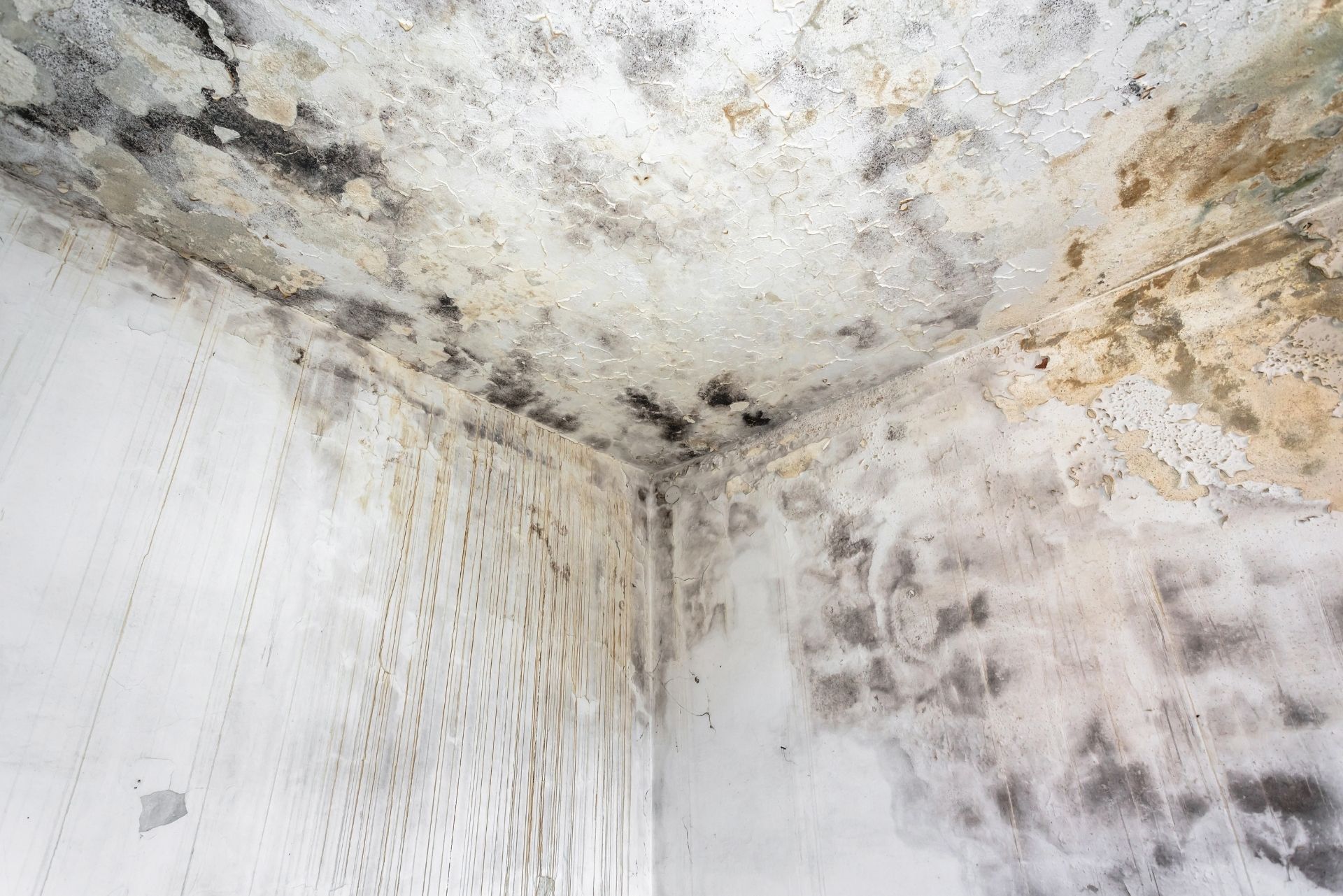
The high stakes of remediation in Florida often begin at the initial discovery of water intrusion or mold. Contractors and homeowners alike find themselves facing complicated coverage questions when water damage leads to mold growth. This article lays out the intricate details of contractor insurance, particularly in relation to water and mold remediation, and provides industry insights and practical guidance.
Recent trends indicate that mold occurrences in Florida have surged, driven in part by growing public awareness of the health hazards connected to mold exposure. According to insights provided by industry professionals, the issue is not down to sloppy remediation practices but the evolving challenges of properly documenting and addressing mold remediation claims. For those interested in further information on rising remediations,
TampaBayMold.net has recently broken down some important figures.
Understanding Contractor Insurance for Water and Mold Remediation
What Does the Coverage Include?
Contractor insurance for water and mold remediation is designed to protect service providers against claims related to property damage, cleanup failures, or even health hazards that might arise from water and mold exposure. Policies vary widely; in some cases, standard coverage may not extend to chronic mold infestations unless clearly documented as a result of a covered sudden event.
For instance, many homeowners' insurance policies in Florida are limited, usually providing between $5,000 and $10,000 in mold-related payouts. These limits seldom cover the full extent of the remediation effort required, particularly if contamination is widespread. This limitation often requires contractors to advise clients early on regarding potential out-of-pocket costs and the need for additional endorsements.
Industry experts point out that mold is rarely covered in isolation. As highlighted by experts at Nation Law Firm, mold damage coverage typically triggers only if the damage arises as an accident from events such as burst pipes or sudden appliance failures. This caveat makes proper claims documentation vital.
Why Coverage Can Be Complex
The complexity of water and mold remediation coverage is further compounded by the growing scrutiny around Assignment of Benefits (AOB) misuse. In recent regulatory changes in Florida, insurers have stepped up efforts to dispute full remediation scopes and question mold-related claims. As described by industry professionals such as those at C2C Adjuster, the tightening control mechanisms reflect both increased claim frequency and the enormous potential payout that these claims represent.
Contractors likewise must be vigilant in documenting every remediation step according to professional standards, such as those outlined by the Institute of Inspection, Cleaning and Restoration Certification (IICRC) S520. This standard includes best practices like proper moisture control, negative-air procedures, and clearance testing – all of which underscore the depth and precision required in professional mold cleanup efforts.
These complexities often mean that a contractor’s insurance policy might need extra endorsements. Some contractors are adding pollution liability or errors and omissions coverage to help manage potential litigations concerning remediation work that does not meet stringent industry protocols.

By: AJ Leibell
President of Bellken Insurance Group
Financial Realities in Florida's Remediation Market
Mold Remediation Costs and Insurance Limits
The financial considerations for addressing water and mold damage can be daunting. In Florida, mold remediation efforts can range from moderate expenses of around $1,500 to totals exceeding $10,000, depending on the extent of the contamination. This statistic emphasizes the risk associated with claims that surpass the standard mold coverage limits found in typical home insurance policies (TampaBayMold.net).
The insurance landscape for water and mold remediation is especially challenging given Florida’s unique climate and increased frequency of severe weather events. For contractors, understanding the fine details of their liability coverage is critical. Even if the remediation work is performed flawlessly, disputes over the claim can result in significant financial exposure. A notable study found that almost 47% of homeowners' claims for water and mold were denied, indicating a high incidence of disputes around these claims (Kennon Law).
Even if claims are processed quickly, about 44% of them are closed with no payment, leaving a considerable number of contractors and homeowners in a difficult financial bind. These statistics underscore the importance of clear policy language and proper claim management strategies for contractors involved in mold remediation services.
The Impact of Climate and Regional Hazards
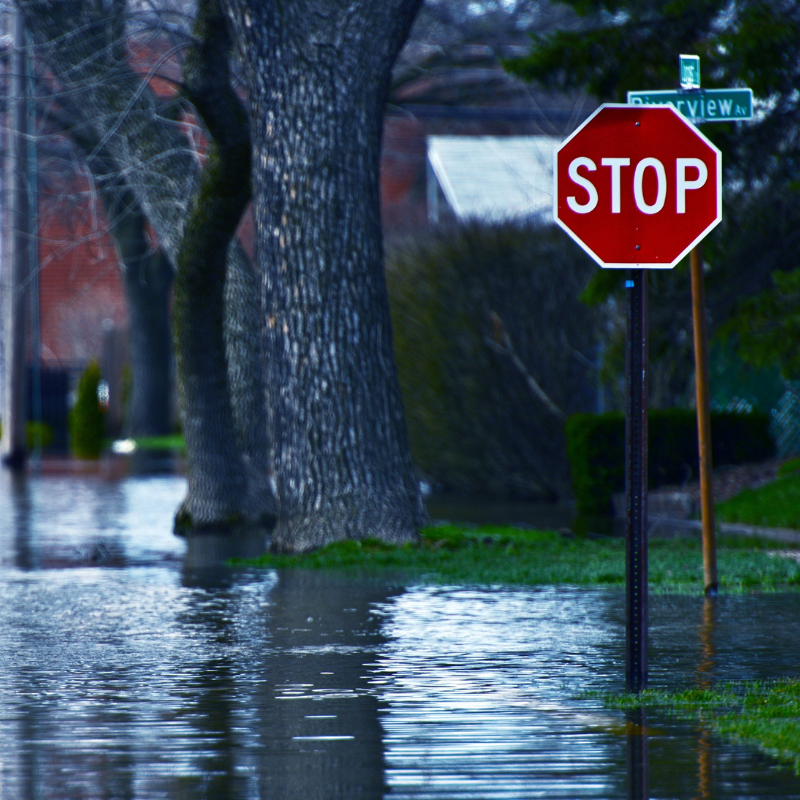
Florida's climate, characterized by high humidity and recurrent hurricanes, creates a perfect storm for water damage and subsequent mold growth. Restoration contractors here regularly juggle the challenges of extensive water damage and resulting mold problems, which in turn spurs a high volume of claims. According to the Associated Industries of Florida, the demand for restoration services continues to grow in tandem with the number of extreme weather events (Associated Industries of Florida).
Extreme weather conditions can turn a minor leak into an expensive remediation project in just hours, adding layers of risk for both the property owner and the contractor handling the cleanup. As such, adequate and clear insurance coverage that distinguishes between different types of water damage and the subsequent mold growth becomes indispensable.
Contractors must also be proactive in educating homeowners about the potential financial gaps between their insurance coverage and the real costs of remediation after a significant event. Detailed estimates and transparent discussions about coverage limitations are essential tools for mitigating risk and avoiding disputes later on.
The Changing Landscape of Insurance Claims
Assignment of Benefits and Claims Disputes
The changes in Florida’s regulatory environment regarding the Assignment of Benefits (AOB) are reshaping how mold claims are handled. Historically, contractors could sign over their claim rights to insurers, making the process straightforward. However, recent measures have led to a more rigorous examination of the remediation scope and claim basis.
With insurers now more actively scrutinizing claims, many contractors are experiencing disputes over the full remediation scope. As highlighted by industry experts at C2C Adjuster, these disputes mean that even well-documented claims might not receive full financial backing, leaving contractors holding a significant share of the remediation bill.
This shift underscores the importance of detailed remediation reports that adhere strictly to IICRC S520 standards. Detailed documentation not only helps in contesting claims denials but also serves as an educational tool to help homeowners understand the nuances of water damage versus ongoing issues like mold contamination.
Does History Predict Future Claims?
One of the stark illustrations of the industry's current state is found in a recent insurance claim report where nearly half of all submitted homeowners' claims were denied. With about 44% of claims being closed with no payment, it is evident that the current insurance framework is not fully aligned with the sophisticated nature of modern water and mold remediation challenges (Kennon Law).
This pattern of claim denials has serious implications for contractors who end up either shouldering unexpected costs or facing potential litigation opened up by dissatisfied policyholders. The trend also impacts how new policies are written, with certain insurers now opting for more narrowly defined remediation scopes or requiring additional proof of sudden damage rather than long-term degradation from chronic moisture.
Contractors navigating this landscape must not only aim for flawless execution in remediation projects but also focus on educating their clients about the potential hurdles in insurance claims processes. Enhanced communication channels and detailed explanation of the policy terms can demystify parts of this opaque claims environment.

Steps to Ensure Adequate Insurance Coverage
Ensuring Your Policy Is Up to Date
Given the evolving nature of water and mold remediation claims, contractors and property owners must frequently review their policies to ensure adequate coverage. Renewal of policies should never be a mere formality but rather a rigorous reassessment of potential financial exposure. If an incident arises and the damage goes beyond routine parameters, the policy limits could fall drastically short of covering the actual remediation cost.
For instance, if mold remediation costs begin at around $1,500 and soar well past $10,000 depending on the level of contamination (TampaBayMold.net), policyholders must consider additional endorsements. Adjustments such as increased mold damage coverage or supplemental liability for water damage might offer a cushion. This proactive approach can prevent unforeseen financial hardship if a claim is unexpectedly denied or undervalued.
The need for regular policy reviews is even more apparent when each claim carries the risk of dispute. Contractors are encouraged to consult regularly with insurance professionals who understand the rapidly changing regulatory environment in Florida, ensuring all policy language reflects current industry standards and regional risks.
Documenting Every Step: A Cornerstone of Successful Claims
Detailed documentation can make the difference between a successful claim and a publicly disputed one. Contractors should ensure that every remediation process conforms to professional standards such as the IICRC S520 guidelines. These practices involve capturing moisture diagnosis, establishing clear containment zones, and performing clearance testing once the mold remediation is completed.
Such detailed reporting provides a strong framework for presenting a case to insurers. It not only substantiates the extent of the damage but also shows thorough compliance with industry best practices, reducing the room for insurers to downplay the claim. As the industry shifts to a more rigorous review of claims, these detailed reports are essential in standing up to scrutiny.
Contractors can leverage digital tools to collect and share high-resolution images, video documentation, and comprehensive checklists. This modern approach not only speeds up the claims process but also builds a reliable archive of work performed, beneficial for both future claims and client transparency.
Insurance Considerations for Contractors in a Challenging Market
Risk Management and Policy Adjustments
Contractors often find themselves navigating a challenging market with many uncertainties. The evolving trends in mold and water remediation claims require risk management strategies tailored to local hazards. Contractors must assess their projects and potential liability thoroughly, making necessary adjustments to their policies.
Added endorsements or specialized policies designed specifically for remediation work often become essential. This proactive risk management can include enhanced general liability, errors and omissions coverage, or even environmental liability endorsements that cater specifically to mold remediation risks. As noted by insurance professionals, understanding these risks and adopting preventive steps early on can protect both revenue and reputation.
Regular interactions with insurance adjusters and public adjusters, as mentioned on platforms such as C2C Adjuster, help ensure contractors are aware of any changes in claim adjudication trends. Such ongoing dialogue can lead to better claim outcomes when emergencies arise.
Mitigating Financial Exposure
Beyond having the right insurance, contractors must be proactive in their risk mitigation efforts. Keeping thorough records of every job performed and ensuring that contracts clearly define the scope of work and related limitations can mitigate unexpected financial exposure later. Detailed contracts often outline what happens when a claim is disputed, protecting both contractors and homeowners.
Contractors need to adopt a multi-layered approach: compliance with industry standards, regular training on new remediation protocols, and maintaining a close relationship with a knowledgeable insurance agent. With proper steps, many disputes over claims can be averted, or at the very least, managed before they escalate into full-blown litigation.
Staying updated with industry best practices, and ensuring that policy holders know their limits, goes a long way in not only preventing disputes but also fostering trust in the contractor’s work. This proactive stance will eventually build a reputation that stands out in a competitive restoration market.
Case Studies and Real-world Implications
Examples from the Field
In one illustrative case from a recent Florida project, a contractor encountered significant challenges after a severe storm led to extensive water damage followed by mold growth. Despite undertaking remediation using all the recommended containment and testing protocols, the contractor’s claim was partially disputed by the insurer. This incident reflects a broader trend: even fully compliant remediation work can be questioned under the current strict review process.
Another example involves a residential project where the homeowner expected full coverage following a burst pipe incident. Unfortunately, the mold that developed over several weeks was largely excluded from the claim because the damage was not deemed “sudden and accidental.” Both incidents serve as cautionary tales for those relying solely on standard homeowner policies without fully grasping their limitations.
These examples demonstrate that the real-world impact of stringent claims management and policy limitations is significant. Contractors and homeowners alike are encouraged to read their policy details meticulously and consider supplemental coverage where necessary.
Lessons Learned and Practical Takeaways
One key lesson from these case studies is that comprehensive documentation is non-negotiable. Following third-party standards, such as those set by IICRC, not only strengthens the case when a claim is reviewed but also provides clear guidance on the required remediation steps. Such rigor helps build a transparent narrative for insurers reviewing the claim.
It also becomes clear that ongoing communication between all parties – the contractor, the homeowner, and the insurer – is vital. By setting realistic expectations about coverage and possible limitations, many disputes can be avoided. As more cases underscore the scrutiny placed on Assignment of Benefits, the need for careful and transparent claim submissions is more urgent than ever.
Contractors are advised to invest in continuing education, both for themselves and their teams, which ensures not only adherence to evolving standards but also better customer communication. This approach can ultimately reduce the likelihood of partial claims or outright denials, safeguarding the financial stability of remediation businesses.
Future Trends and What They Mean for the Industry
Evolving Regulatory and Market Conditions
As regulatory oversight continues to evolve in Florida’s insurance market, contractors need to be ready for more changes in claim processing and policy enforcement. The recent crackdowns on Assignment of Benefits misuse is just the beginning of tighter regulatory control that forces higher standards in claim documentation.
While these changes raise the bar for remediation claims, they also foster a more transparent system in which insurers and contractors alike are pushed to maintain higher quality standards. The industry is adapting, and more policies are being drafted to specifically address the nuances of water damage and mold remediation financing.
Future market trends may even include additional endorsements as part of standard policies, ensuring that both contractors and property owners are less likely to face financial surprises. Keeping an eye on emerging legislation and market shifts is essential for staying ahead.
Innovative Practices and Technology Adoption
Technology is revolutionizing how remediation work is documented and how claims are processed. Digital reporting tools, real-time monitoring of job sites, and enhanced moisture mapping technologies are just some of the innovations making it easier to prove the scope of water and mold damage. Effective integration of these tools into daily operations not only improves the efficiency of remediation work but also provides a robust framework for transparent insurance claims.
Many companies have begun using smartphone apps to log every detail of a remediation project. These detailed records, including high-resolution images and digital measurements, can seamlessly be added to claims submissions. The result is a more streamlined claims process that minimizes the potential for disputes and helps secure the full payout that the remediation work deserves.
This technological shift signals a broader change in the industry. Along with better risk management and improved communication between all parties, these practices are paving the way for a future where insurance claims are processed more fairly and accurately, benefiting homeowners and contractors alike.
Frequently Asked Questions
Q: Why do typical homeowner policies offer limited mold coverage?
A: Standard policies usually restrict mold payouts to specific limits, often between $5,000 and $10,000, because mold is treated as a secondary issue that develops after water damage. Coverage typically applies only when mold is the direct result of a sudden accident, like a burst pipe (TampaBayMold.net).
Q: What steps can contractors take to strengthen their claims?
A: Contractors should adhere to industry protocols such as the IICRC S520, document every step of remediation, and use digital tools to record the process. Detailed reporting minimizes disputes and supports a strong claim submission.
Q: How does the climate in Florida affect remediation costs?
A: With Florida's humid conditions and frequent hurricanes, water damage and subsequent mold growth are common, often escalating remediation costs significantly. This trend emphasizes the need for robust insurance and risk management practices (Associated Industries of Florida).
Q: What is the significance of recent changes to Assignment of Benefits?
A: Recent regulatory measures in Florida have led insurers to examine claims more closely, often disputing full remediation scopes. Contractors must now provide more detailed documentation and clear evidence that aligns with industry standards (C2C Adjuster).
Q: Should contractors consider additional endorsements for their policies?
A: Yes. Given the high costs of remediation and the common occurrence of claim disputes, added endorsements like environmental liability or extended mold damage coverage can be crucial for protecting a contractor's business.
Q: How can technology improve the claims process?
A: Modern digital tools enable contractors to capture accurate site data and detailed remediation records, which help streamline claim submissions and reduce the risk of denial. These technologies also promote transparency and can expedite the review process.
Wrapping Things Up
Water and mold remediation for contractors in Florida demands not only technical expertise but also a deep understanding of the insurance landscape. With rising remediation costs ranging from $1,500 to over $10,000 (TampaBayMold.net), the stakes have never been higher.
As insurers tighten their policies and regulatory changes take effect, maintaining clear, meticulously documented remediation work becomes essential. This not only ensures that claims are accurately processed but also builds trust among contractors and homeowners, paving the way for a more resilient restoration industry in Florida.
Whether you're a contractor striving for excellence in your service or a homeowner navigating the complexities of insurance claims after a damaging event, awareness of these challenges and proactive steps in policy management can make all the difference. In a field marked by rapid changes and evolving practices, detailed understanding and rigorous documentation are your best allies against unforeseen financial exposure.
About The Author:
AJ Leibell
As President of Bellken Insurance Group, I’m dedicated to providing clients with clarity, confidence, and protection through personalized insurance solutions. With years of experience serving individuals and businesses, my focus is on building lasting relationships and ensuring every client receives dependable coverage that fits their goals and budget.
Your Personal Insurance Solutions




Choose Bellken Insurance Today
Choice and Transparency
The independent insurance agents are completely different from the insurance company agents. They work for themselves and not for the company. They sell their own policies to the customers and that is why they are called independent agents.
Your Advocate
Independent agents are more inclined to provide you with the best coverage that is suitable for your needs. They can also help you with your budget and make sure that you get the best coverage at an affordable price.
Lifetime expert advice
Independent insurance agents are insurance experts who have a deep understanding of the industry. They are able to clearly explain complex policies or rate changes, and are well-versed in the inner workings of various insurance companies. With years of experience dealing with multiple insurance providers, they are reliable sources of
Our Testimonials
Hear from our clients

This review goes directly to Aj Leibell. Being foreign is not easy to found people that are willing to help you, he was extremely helpful and had so much patience that I can only be grateful. This company trust me, is the best in customer service and prices.
Francisca Diaz Cortez

On behalf of my mom, who dealt with AJ Leibell to resolve an issue. She would highly recommend this agency due to their professionalism, kindness and going over and above what was necessary.
Jessica Moore

Bayview Tower Condo Association is located in Miami, Florida, we are a community comprise of 36 units. Bellken has been our insurance agent for the last 10 years. During all these years our insurance needs have been met by Bellken in a professional and trustworthy manner. The entire staff is courteous, knowledgeable and attentive to detail.
Bayview Tower

We have used their services for over 17 years and are quite satisfied with the support provided. EH
Ed Hays
REQUEST A QUOTE
Get a water and mold remediation contractor insurance quote online today!
Get started today!
Speak directly with a Bellken Insurance specialist today!
Prefer to speak with an agent now?