Florida Builder's Risk Insurance
8:30am - 5:00pm Mon-Fri
Will Reply in 15min*
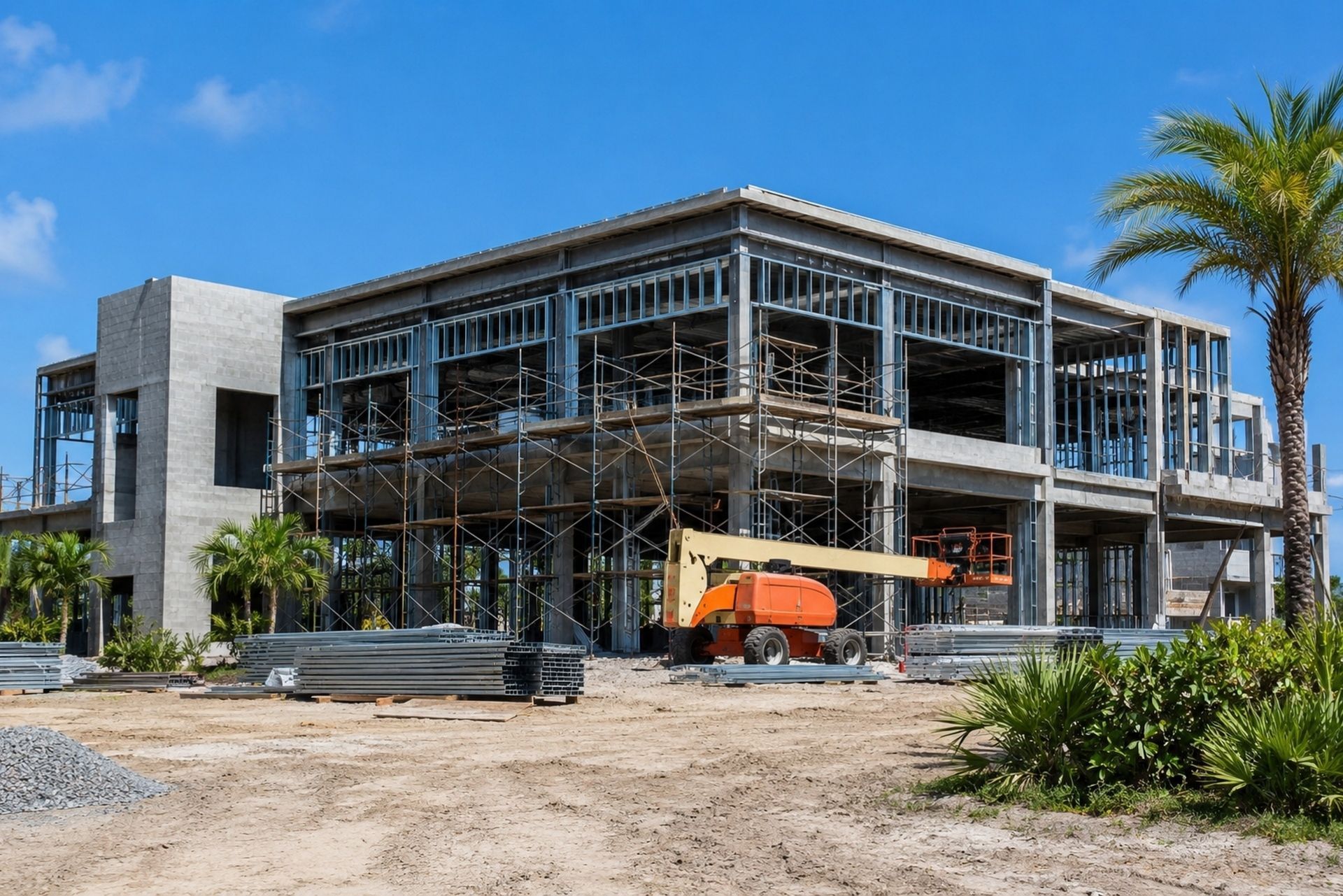
A half-built custom home in Naples takes a direct hit from a Category 3 hurricane. The framing is destroyed, materials are scattered across the lot, and weeks of labor are gone overnight. Without the right insurance policy in place, the owner or contractor absorbs that entire loss out of pocket. This scenario plays out more often than you'd expect in Florida, where construction activity remains strong but natural disaster risk runs higher than almost any other state.
Florida builder's risk insurance exists to cover exactly these situations: protecting a structure and its materials during the construction phase. But the cost and coverage details vary wildly depending on your project, your location, and the policy you choose. Whether you're a homeowner building your dream house on the Gulf Coast or a general contractor managing a $5 million condo project in Miami-Dade, understanding how these policies work will save you from financial disaster. This guide breaks down what you need to know about premiums, coverage options, and the unique risks that come with building in the Sunshine State.
Understanding Florida Builder's Risk Insurance
Builder's risk insurance is a specialized property policy that covers a building while it's under construction. It protects the structure itself, building materials stored on-site, and sometimes equipment and temporary structures. The policy typically starts when construction begins and expires when the project is complete or when the building gets its certificate of occupancy.
What makes Florida different from most other states is the sheer volume of risk during the construction window. A project that takes 12 to 18 months to complete will pass through at least one full hurricane season. That exposure shapes everything about how these policies are written, priced, and negotiated.
The Florida Office of Insurance Regulation has been working to strengthen the state's property insurance market since the legislative reforms of 2022 and 2023. Those changes have brought some carriers back into the market, but builder's risk coverage in high-risk zones remains expensive and sometimes hard to find.
What is Covered Under a Standard Policy
A standard builder's risk policy in Florida covers the physical structure during construction, including foundations, framing, roofing, and installed systems like plumbing and electrical. Most policies also cover building materials and supplies stored on the job site or in transit to it.
Here's what a typical policy includes:
- The structure itself at every stage of construction
- Materials and supplies on-site or being transported
- Temporary structures like scaffolding and construction trailers
- Soft costs such as architect fees and permit expenses if a covered loss delays the project
- Debris removal after a covered event
What's usually excluded matters just as much. Standard policies often exclude damage from employee theft, normal wear and tear, faulty workmanship, and mechanical breakdown. Flood damage is almost always excluded from the base policy and requires a separate endorsement or standalone flood policy, which is a critical gap in Florida.
Florida-Specific Risks: Hurricanes and Flooding
Hurricane exposure is the single biggest factor that separates Florida builder's risk policies from those in other states. A partially completed structure is far more vulnerable to wind damage than a finished building. Open walls, uninstalled windows, and exposed roof decking create entry points for wind and rain that can total a project.
Most Florida builder's risk policies include wind coverage, but they come with separate named-storm deductibles. These deductibles are typically 2% to 5% of the policy limit, meaning a $2 million project could carry a $40,000 to $100,000 deductible just for hurricane damage. That's a significant out-of-pocket expense even with insurance in place.
Flood risk adds another layer. Florida's construction boom continues in flood-prone areas, and
rising insurance costs have become a real concern for developers and homeowners alike. A separate flood endorsement or NFIP policy is essential for any project in a FEMA-designated flood zone. Skipping it is one of the most common and costly mistakes we see.

By: AJ Leibell
President of Bellken Insurance Group
Premiums for builder's risk coverage in Florida generally fall between 1% and 5% of the total project value. A $500,000 residential build might cost $5,000 to $25,000 to insure, while a $3 million commercial project could run $30,000 to $150,000. That's a wide range, and where your project falls depends on several interconnected factors.
Your insurance carrier will evaluate the project's total completed value, the construction type, the location, the duration of the build, and the builder's track record. A contractor with a clean claims history and strong safety protocols will get better rates than one with multiple prior losses.
Construction Type and Project Value
The materials used in your build directly affect your premium. A concrete block structure with a tile roof will cost less to insure than a wood-frame home, simply because it's more resistant to wind and fire. Florida's building code, updated after Hurricane Andrew, requires specific wind-resistance standards, and meeting or exceeding those standards can lower your rate.
Project value is the biggest premium driver in raw dollar terms. The policy limit should reflect the full completed value of the structure, including materials and labor. Underinsuring a project to save on premiums is a trap. If a total loss occurs and your policy limit is $400,000 on a $600,000 build, you'll absorb that $200,000 gap yourself.
Geographic Location and Coastal Surcharges
Where you're building in Florida matters as much as what you're building. A project in Ocala will cost significantly less to insure than an identical project in Key West or Fort Lauderdale. Coastal counties carry higher wind exposure ratings, and carriers price that risk accordingly.
Properties within the Wind-Borne Debris Region, which covers most of Florida's coastline and extends inland in many areas, face surcharges that can double or triple the base premium. The Florida property insurance market overview shows that coastal construction continues to drive the highest premiums statewide.
Projects in Miami-Dade and Broward counties often face the steepest rates due to the combination of hurricane exposure, high property values, and strict local building codes. If you're building within a mile of the coast in these areas, expect to pay toward the upper end of that 1% to 5% range.
Comparing Coverage Levels
Not all builder's risk policies offer the same protection. The difference between basic and extended coverage can mean the difference between a policy that covers wind damage only and one that protects against theft, vandalism, water damage, and project delays.
Basic vs. Extended Coverage Comparison Table
| Feature | Basic Coverage | Extended Coverage |
|---|---|---|
| Fire and lightning | Included | Included |
| Wind and hail | Included | Included |
| Theft of materials | Excluded | Included |
| Vandalism | Excluded | Included |
| Water damage (non-flood) | Limited | Included |
| Flood | Excluded | Optional endorsement |
| Soft costs (delays) | Excluded | Included |
| Transit coverage | Excluded | Included |
| Named-storm deductible | 3%-5% | 2%-3% |
| Typical premium increase | Base rate | 20%-40% higher |
For most Florida projects, extended coverage is worth the additional cost. Theft of building materials is a real problem on construction sites, particularly for copper wiring and HVAC equipment. A $15,000 theft on a residential site can wipe out a month's budget, and basic coverage won't reimburse a cent.
Soft cost coverage deserves special attention. If a hurricane delays your project by three months, you'll face extended loan interest payments, additional rental costs, and potentially higher material prices. Extended policies with soft cost endorsements help offset those expenses.
Who is Responsible for Purchasing the Policy?
This question causes more disputes than almost any other issue in Florida construction projects. The answer depends on the contract between the property owner and the general contractor, and getting it wrong can leave everyone exposed.
Homeowner-Purchased vs. Contractor-Purchased
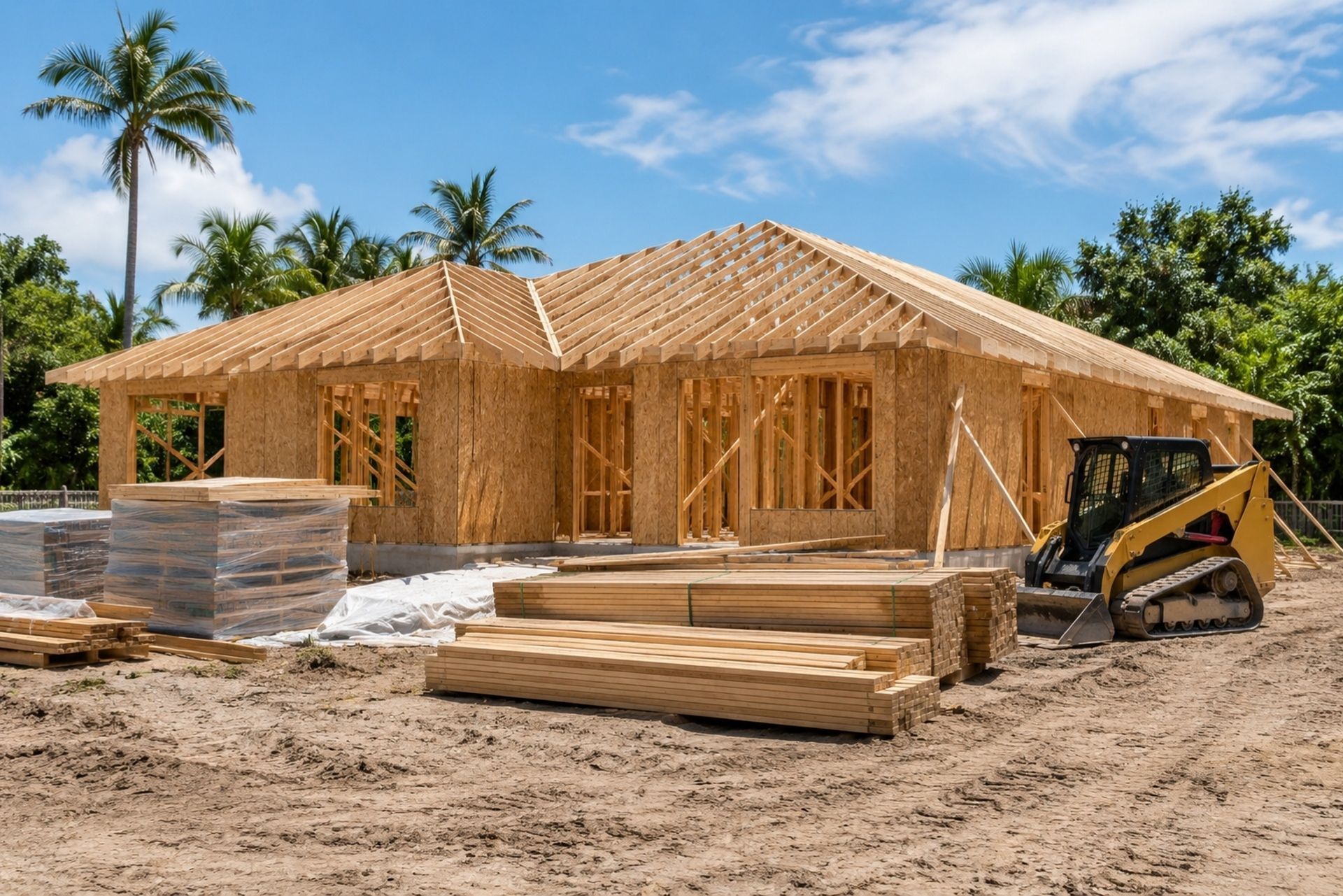
In custom home builds, the homeowner typically purchases the builder's risk policy. The homeowner owns the property and has the most to lose if the structure is damaged or destroyed. The policy should list both the homeowner and the general contractor as named insureds.
On commercial projects and spec homes, the general contractor or developer usually carries the policy. Florida law doesn't mandate which party must purchase it, so the construction contract controls. If your contract is silent on builder's risk, that's a problem waiting to happen. We've seen situations where both parties assumed the other was carrying coverage, and neither actually had a policy in place when a storm hit.
Recent
Florida legislation has prompted changes in construction insurance requirements, making contract clarity even more important. Your construction attorney should review the insurance provisions before work begins. The cost of a policy is predictable; the cost of being uninsured during a loss is not.
Common Questions About Florida Construction Insurance
How long does a builder's risk policy last? Most policies run for 6 to 12 months, matching the expected construction timeline. You can extend the policy if the project runs long, but extensions aren't free and typically cost 1% to 3% of the premium per month.
Does my homeowner's insurance cover a home under construction? No. Standard homeowner's policies cover finished, occupied homes. A structure under construction requires a separate builder's risk policy until it receives a certificate of occupancy.
Can I get builder's risk insurance if I'm the owner-builder? Yes, but it's harder. Many carriers view owner-builders as higher risk because they lack professional construction experience. Expect to pay higher premiums, and some insurers may require proof of contractor licensing.
What happens if my project goes over schedule? Your policy has an expiration date. If construction isn't finished, you'll need to request an extension before the policy lapses. A gap in coverage, even for a few days, leaves you fully exposed.
Is builder's risk insurance required by law in Florida? Florida doesn't require it by statute, but your lender almost certainly will. Any construction loan from a bank or credit union will include a builder's risk insurance requirement as a condition of funding.
Does the policy cover subcontractor negligence? Generally, no. If a subcontractor's faulty wiring causes a fire, your builder's risk policy may cover the resulting damage to the structure, but it won't cover the cost to redo the defective work itself.
Making the Right Choice for Your Project
Picking the right builder's risk policy in Florida comes down to three things: matching your coverage to your actual risk exposure, understanding your deductible obligations, and making sure your construction contract clearly assigns insurance responsibilities.
Don't default to the cheapest option. A basic policy with a 5% named-storm deductible on a $1 million coastal project means you're self-insuring the first $50,000 of hurricane damage. For many builders and homeowners, that's an unacceptable gamble. The real estate and construction insurance outlook for 2026 suggests premiums are stabilizing in some areas, so shopping multiple carriers is worth the effort.
Get quotes from at least three insurers, compare deductibles carefully, and read the exclusions section of every policy. If you're ready to protect your next Florida construction project, get a quote from a team that understands the state's unique risks and can tailor coverage to your specific build.
About The Author:
AJ Leibell
As President of Bellken Insurance Group, I’m dedicated to providing clients with clarity, confidence, and protection through personalized insurance solutions. With years of experience serving individuals and businesses, my focus is on building lasting relationships and ensuring every client receives dependable coverage that fits their goals and budget.
Your Personal Insurance Solutions



Choose Bellken Insurance Today
Choice and Transparency
The independent insurance agents are completely different from the insurance company agents. They work for themselves and not for the company. They sell their own policies to the customers and that is why they are called independent agents.
Your Advocate
Independent agents are more inclined to provide you with the best coverage that is suitable for your needs. They can also help you with your budget and make sure that you get the best coverage at an affordable price.
Lifetime expert advice
Independent insurance agents are insurance experts who have a deep understanding of the industry. They are able to clearly explain complex policies or rate changes, and are well-versed in the inner workings of various insurance companies. With years of experience dealing with multiple insurance providers, they are reliable sources of
Our Testimonials
Hear from our clients

This review goes directly to Aj Leibell. Being foreign is not easy to found people that are willing to help you, he was extremely helpful and had so much patience that I can only be grateful. This company trust me, is the best in customer service and prices.
Francisca Diaz Cortez

On behalf of my mom, who dealt with AJ Leibell to resolve an issue. She would highly recommend this agency due to their professionalism, kindness and going over and above what was necessary.
Jessica Moore

Bayview Tower Condo Association is located in Miami, Florida, we are a community comprise of 36 units. Bellken has been our insurance agent for the last 10 years. During all these years our insurance needs have been met by Bellken in a professional and trustworthy manner. The entire staff is courteous, knowledgeable and attentive to detail.
Bayview Tower

We have used their services for over 17 years and are quite satisfied with the support provided. EH
Ed Hays
REQUEST A QUOTE
Get an insurance quote online today!
Get started today!
Speak directly with a Bellken Insurance specialist today!
Prefer to speak with an agent now?