Orlando Commercial Property Insurance
8:30am - 5:00pm Mon-Fri
Will Reply in 15min*
Picture this: you've just signed a lease on a retail storefront near International Drive, or maybe you're closing on a small warehouse off Semoran Boulevard. The excitement of growing your Orlando business fades fast when your insurance quote arrives and the numbers don't match what you budgeted. Florida's commercial property
insurance market has been notoriously volatile over the past few years, but 2026 is bringing some welcome relief. Rates across the state have dropped between 8% and 25% since March, depending on the carrier and property type. That's a meaningful shift for business owners who've been absorbing steep increases since 2020. Still, Orlando's unique risk profile, from hurricane exposure to aging building stock, means your premiums won't look like those in Des Moines or Denver. This guide breaks down what Orlando businesses actually pay, what drives those numbers, and where you can trim costs without gutting your coverage.
Average Costs for Commercial Property Insurance in Orlando
Understanding what other Orlando businesses pay gives you a baseline for evaluating your own quotes. Premiums here tend to run higher than the national average, largely because of Florida's storm exposure and the litigation environment that's plagued the state's insurance market. That said, the 2026 rate decreases are pulling costs closer to reasonable territory for the first time in several years.
Typical Premium Ranges by Business Size
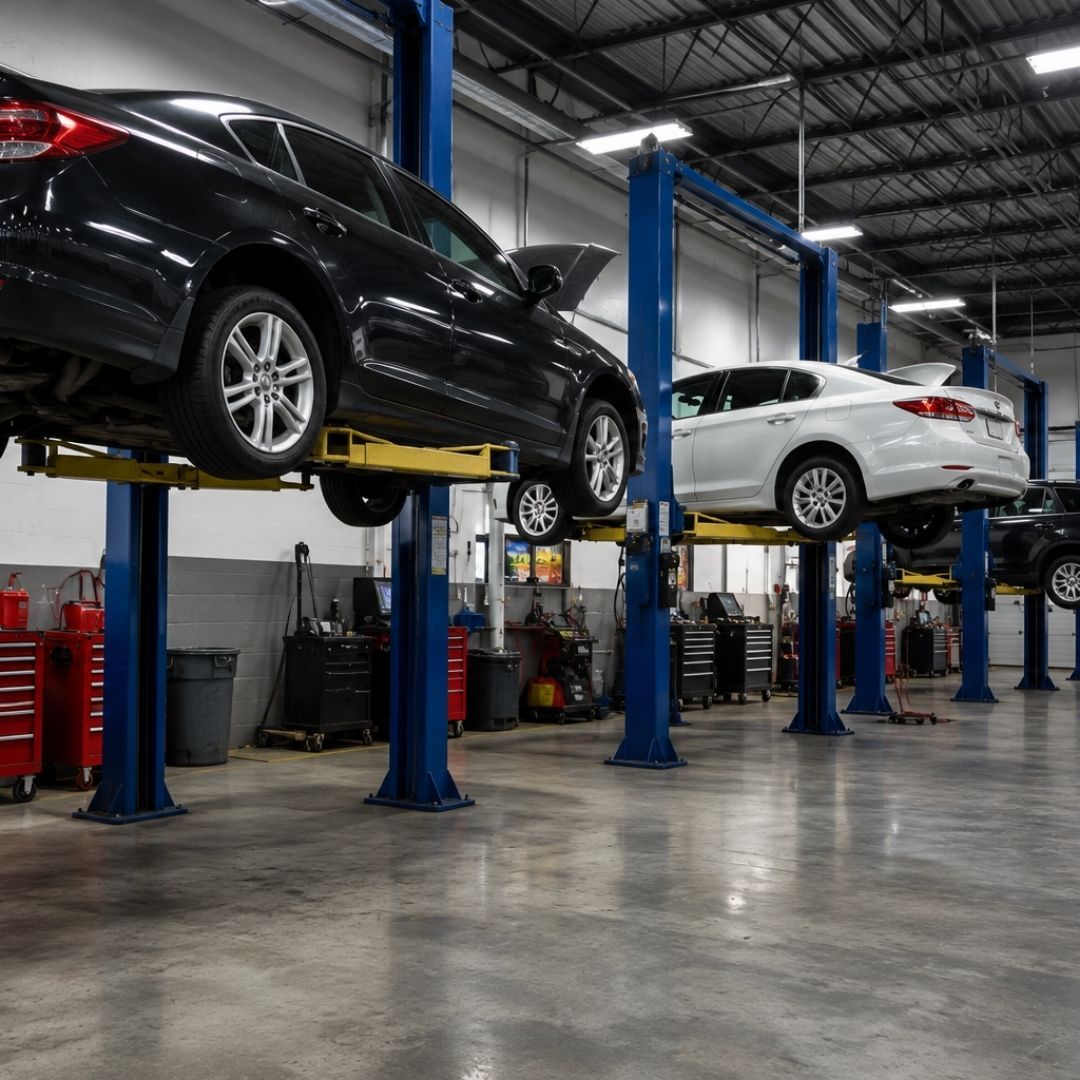
A solo-operated nail salon or consulting office with $100,000 in property coverage might pay $1,200 to $2,500 annually. A mid-size restaurant or auto repair shop carrying $500,000 in coverage typically falls between $4,000 and $8,000 per year. Larger operations, like a multi-unit retail plaza or a 20,000-square-foot distribution center, can see annual premiums from $12,000 to $30,000 or more.
These ranges shift based on dozens of variables, but they give you a realistic starting point. If your quote falls well outside these ranges, it's worth getting a second opinion. Small business insurance costs in Orlando vary widely even among similar operations, so comparison shopping matters.
Comparing Basic vs. Comprehensive Coverage Levels
Basic named-peril policies cover only the specific risks listed in the contract: fire, lightning, explosion, vandalism, and a handful of others. Comprehensive (or "open peril") policies cover everything except what's explicitly excluded. The price difference is real, but so is the
protection gap.
| Feature | Basic Named-Peril Policy | Comprehensive Open-Peril Policy |
|---|---|---|
| Fire & Lightning | Covered | Covered |
| Windstorm/Hail | Often excluded or limited | Typically covered (separate deductible) |
| Water Damage (non-flood) | Limited | Covered |
| Theft | Covered | Covered |
| Equipment Breakdown | Not included | Often included or available |
| Business Interruption | Not included | Available as add-on |
| Typical Annual Cost (per $500K) | $3,000 - $5,500 | $5,500 - $9,500 |
For an
Orlando coffee shop or daycare center, the gap between these tiers could mean the difference between recovering from a burst pipe or shutting down. We've seen clients choose basic coverage to save $2,000 a year, then face $40,000 in uncovered water damage. The math doesn't work in your favor.

By: AJ Leibell
President of Bellken Insurance Group
Your premium isn't a random number. Underwriters plug your property details into rating models that weigh specific risk factors. Knowing which ones carry the most weight helps you understand your quote and, in some cases, change the outcome.
Hurricane Risk and Windstorm Mitigation
Orlando sits roughly 60 miles inland, which spares it from the worst coastal storm surge. But hurricane-force winds can reach well into Orange and Seminole counties, and insurers know it. Your windstorm deductible, often 2% to 5% of your property's insured value, is typically the single largest out-of-pocket exposure on your policy.
Installing hurricane shutters, impact-resistant windows, or a secondary water barrier on your roof can earn meaningful credits. A concrete-block medical office that adds rated shutters might see a 10% to 15% windstorm premium reduction. Florida's insurance market outlook for 2026 reflects growing insurer appetite for well-mitigated properties, so these investments pay off faster than they did two years ago.
Building Age, Construction Materials, and Updates
Insurers treat a 1970s wood-frame strip mall very differently from a 2020 concrete-tilt-up warehouse. Older buildings carry higher risk for electrical fires, plumbing failures, and roof damage. If your building's roof, electrical, plumbing, or HVAC systems haven't been updated in 20-plus years, expect a surcharge.
One common mistake we see: a property owner replaces the roof but doesn't notify their insurer. That new roof could save you 15% to 25% on your premium, but only if the carrier knows about it. Keep documentation of all major updates and share it at renewal time. Properties built with fire-resistant materials like concrete block or steel frame consistently receive better rates than wood-frame structures, sometimes by 30% or more.
Proximity to Fire Stations and Hydrants
This one surprises many business owners. Insurers check your property's distance from the nearest fire station and fire hydrant. If you're within five miles of a station and 1,000 feet of a hydrant, you'll typically qualify for better rates. Properties in unincorporated areas of Orange County or on the eastern fringes near Bithlo may face higher premiums simply because fire response times are longer.
The ISO (Insurance Services Office) assigns a Public Protection Classification score to every area. Orlando proper scores well, but some surrounding areas don't. Ask your agent about your property's PPC rating; it directly affects what you pay.
Standard vs. Specialized Coverage Comparison
A standard commercial property policy covers the building, your business personal property (equipment, inventory, furniture), and loss of income if a covered event forces you to close temporarily. For many Orlando businesses, that's a solid foundation.
But certain industries need more. A restaurant owner should consider equipment breakdown coverage because a failed walk-in cooler can destroy $10,000 in inventory overnight. A property manager with tenants needs ordinance or law coverage, which pays the extra cost of bringing a damaged building up to current code during repairs. Florida's building codes have tightened significantly since the early 2000s, and rebuilding a 1990s structure to 2026 standards can add 20% to 30% to construction costs.
Flood insurance is another critical gap. Standard commercial property policies don't cover flood damage, period. Orlando's flat terrain and summer thunderstorm patterns create real flood risk even miles from any named waterway. The Florida real estate boom and its insurance implications have pushed more lenders and landlords to require flood coverage, so don't treat it as optional if you're in a moderate-risk zone.
Ways to Reduce Your Commercial Insurance Expenses
Premium relief doesn't always require cutting coverage. Smart structuring and risk management can lower your costs while keeping your protection intact.
Bundling Property and Liability Policies
A Business Owner's Policy, or BOP, combines commercial property and general liability into a single package. For qualifying businesses, a BOP typically costs 10% to 15% less than purchasing each policy separately. Most insurers offer BOPs to small and mid-size operations: think dental offices, retail boutiques, accounting firms, and similar lower-risk businesses.
The savings come from reduced administrative costs for the carrier, and they pass a portion of that to you. If your business doesn't qualify for a BOP due to size or risk class, you can still ask about multi-policy discounts for keeping your property, liability, and auto coverage with the same carrier. Understanding your commercial property insurance options helps you identify which bundling approach fits your operation.
Increasing Deductibles to Lower Monthly Costs
Raising your all-peril deductible from $1,000 to $5,000 can reduce your annual premium by 10% to 20%. That's a straightforward trade-off: you absorb more of the small losses in exchange for lower fixed costs. For a plumbing contractor with $400,000 in covered property, that might mean saving $600 to $1,200 per year.
The key is making sure you can actually afford the higher deductible if a claim hits. We recommend keeping at least your deductible amount in a dedicated reserve account. If you go three or four years without a claim, you've banked real savings. One thing to keep in mind: your windstorm deductible is separate and usually percentage-based, so raising your all-peril deductible won't affect your hurricane exposure.
Common Questions About Orlando Business Insurance
How much does commercial property insurance cost per month in Orlando? Most small businesses pay between $100 and $700 per month, depending on property value, construction type, and coverage level. A $300,000 policy on a newer concrete-block building might run $200 to $350 monthly.
Does my commercial property policy cover hurricane damage? Wind damage from hurricanes is typically covered, but with a separate percentage-based deductible (usually 2% to 5% of insured value). Flood damage from storm surge or rain requires a separate flood policy.
Are Orlando insurance rates going down in 2026? Yes. Florida commercial property rates have decreased notably in the first half of 2026, with reductions ranging from 8% to 25% depending on the carrier and property profile. This follows several years of steep increases.
Do I need insurance if I rent my commercial space? Your landlord's policy covers the building structure, but it won't cover your equipment, inventory, furniture, or liability. You need your own policy for those, and most leases require it.
What's the difference between replacement cost and actual cash value? Replacement cost pays to replace damaged property with new items of similar kind and quality. Actual cash value deducts depreciation, so you'll receive less. Replacement cost policies cost more but prevent significant out-of-pocket gaps after a loss.
Can I get insurance if my building has a flat roof?
Yes, but flat roofs are rated higher due to increased leak and wind-damage risk. Maintaining your roof, documenting inspections, and installing proper drainage can help offset the surcharge.
Making the Right Choice for Your Property
Orlando's commercial insurance market is in a better place than it's been in years. The rate decreases flowing through in 2026 give you real negotiating power, especially if your property is well-maintained and you've invested in wind mitigation. Don't let that opportunity pass without shopping your renewal.
Start by getting your building's details organized: year built, construction type, roof age, square footage, and any recent updates. Bring that information to at least two or three agents who specialize in Florida commercial property. The Florida insurance market conditions in 2026 favor prepared buyers who can demonstrate lower risk.
If you're ready to see what competitive pricing looks like for your specific property,
get a quote from a team that understands Orlando's market. The right policy protects your investment without draining your operating budget, and right now is one of the best times in recent memory to lock in favorable terms.
About The Author:
AJ Leibell
As President of Bellken Insurance Group, I’m dedicated to providing clients with clarity, confidence, and protection through personalized insurance solutions. With years of experience serving individuals and businesses, my focus is on building lasting relationships and ensuring every client receives dependable coverage that fits their goals and budget.
Your Personal Insurance Solutions




Choose Bellken Insurance Today
Choice and Transparency
The independent insurance agents are completely different from the insurance company agents. They work for themselves and not for the company. They sell their own policies to the customers and that is why they are called independent agents.
Your Advocate
Independent agents are more inclined to provide you with the best coverage that is suitable for your needs. They can also help you with your budget and make sure that you get the best coverage at an affordable price.
Lifetime expert advice
Independent insurance agents are insurance experts who have a deep understanding of the industry. They are able to clearly explain complex policies or rate changes, and are well-versed in the inner workings of various insurance companies. With years of experience dealing with multiple insurance providers, they are reliable sources of
Our Testimonials
Hear from our clients

This review goes directly to Aj Leibell. Being foreign is not easy to found people that are willing to help you, he was extremely helpful and had so much patience that I can only be grateful. This company trust me, is the best in customer service and prices.
Francisca Diaz Cortez

On behalf of my mom, who dealt with AJ Leibell to resolve an issue. She would highly recommend this agency due to their professionalism, kindness and going over and above what was necessary.
Jessica Moore

Bayview Tower Condo Association is located in Miami, Florida, we are a community comprise of 36 units. Bellken has been our insurance agent for the last 10 years. During all these years our insurance needs have been met by Bellken in a professional and trustworthy manner. The entire staff is courteous, knowledgeable and attentive to detail.
Bayview Tower

We have used their services for over 17 years and are quite satisfied with the support provided. EH
Ed Hays
REQUEST A QUOTE
Get an insurance quote online today!
Get started today!
Speak directly with a Bellken Insurance specialist today!
Prefer to speak with an agent now?